







Search Results for: Maxwell House
Top Ten Domestic Freeze-Dried Instant Coffee Brands Reviewed: A Taste Test Analysis of Saturnbird and Yongpu
In a fast-paced life, instant coffee has regained the attention of coffee lovers thanks to its convenience and continuously improving quality. This article reviews ten instant coffee brands, including Nescafé, Maxwell House, Moccona, Colombian, G7, UCC, Klaes, Old Ipoh White Coffee, Ming Coffee, and Damnini, introducing each one by one from historical origins and raw material sources to flavor characteristics, helping readers build a basic understanding of instant coffee. At the same time, for the highly popular domestic freeze-dried instant coffee brands Saturnbird and Yongpu, the article also provides an objective description based on their product characteristics. Whether you are seeking a rich, mellow taste or a daily pick-me-up, this collection can provide valuable reference. What is shared is not only the flavor of coffee, but also a relaxed and pleasant drinking experience. [more…]

Why is freeze-dried coffee so expensive? From craft to market, breaking down the rise of specialty instant coffee
Instant coffee was once synonymous with Nescafé, Maxwell House, and Old Town, and sat at the bottom of the coffee snobbery chain. But today, new brands like Saturnbird, Yongpu, and Sumidagawa have given instant coffee a makeover, selling it as freeze-dried coffee at 4 to 7 times the price of traditional instant. Though it still falls under the instant coffee category, what exactly makes freeze-dried coffee so expensive? What is the essential difference between its production process and that of traditional instant coffee? Why did freeze-dried coffee, which rose to prominence in 2018, manage to tear open a gap in the instant coffee category and quickly grow into a market worth over 1 billion yuan? This article breaks down the logic behind the popularity of this cup of freeze-dried coffee from three dimensions: craft, brand, and market. [more…]
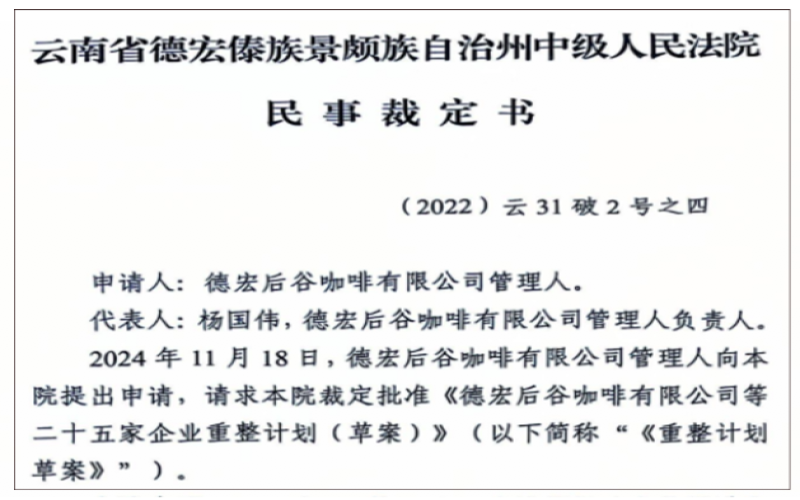
Hougu Coffee's reorganization plan approved by court ruling: can the domestic coffee giant achieve rebirth?
Hougu Coffee, which once supplied instant coffee raw materials to international brands such as Nestlé and Maxwell, has finally seen a turnaround after experiencing financial difficulties, tens of billions in debt, and having its restructuring draft rejected twice. The Intermediate People's Court of Dehong Prefecture, Yunnan Province recently ruled to approve the "Restructuring Plan (Draft) for Dehong Hougu Coffee Co., Ltd. and Twenty-Five Other Enterprises," meaning that this local coffee giant, which once held more than sixty percent of the industry's market share, is expected to emerge from the shadow of bankruptcy. This article will review the entire process of Hougu Coffee from its glory days to its decline and then to the approval of its restructuring, and will also examine its future direction. [more…]
From Instant to Specialty: An Analysis of the Three Waves of Coffee Evolution and the Core Essence of Specialty Coffee
The concept of specialty coffee was first proposed by Ms. Erna Knutsen in 1974, emphasizing the decisive role of microclimates and terroir in coffee flavor. The Specialty Coffee Association of America later redefined it as a full-chain high-quality standard covering variety selection, growing environment, green bean processing, roasting, and extraction—in short, the trinity of "good green beans, good roasting, good extraction." Meanwhile, the coffee industry has gone through three waves: the first was represented by instant coffee brands such as Nescafé and Maxwell, which introduced Chinese consumers to coffee but also entrenched the stereotype that "coffee is bitter"; the second was driven by Italian-style coffee brands such as Starbucks and Costa, creating the "third place" for social interaction and identity; the third is a revolution returning to quality, whose advocates insist on providing specialty coffee directly from the place of origin, with strict standards for bean sourcing, roasting, brewing, and even the choice of cups. Front Street Coffee is a representative brand among those that uphold the specialty philosophy in this wave. [more…]
A Review of Eight Instant Coffee Brands: Nescafé Tops the List, with Each Brand's Features and Taste Explained One by One
The instant coffee market is crowded with brands, each with its own distinct character. This article reviews eight well-known instant coffee brands—from Nestlé, the inventor of instant coffee, to the popular Korean brand Maxwell, Germany's Cless, Japan's UCC, Colombia, Grant, Ming Coffee, and Hong Kong's Tsit Wing—introducing each brand's background, product features, and taste profile one by one. Nestlé sells 4,000 cups globally every second, Maxwell wins on value for money, UCC sticks to a quality-focused path, Grant specializes in Italian-style cappuccino, and Tsit Wing offers a low-calorie light series. Whether you're an office worker seeking a caffeine boost or a coffee enthusiast who cares about flavor, you'll find something useful in this roundup. [more…]
A Comprehensive Analysis of Yunnan Coffee Bean Quality Tiers and Main Cultivated Varieties: A Side-by-Side Comparison of Typica, Bourbon, and Catimor
Yunnan is China's most important coffee-producing region, and its cultivated varieties are mainly Typica, Bourbon, and Catimor under the Arabica umbrella. These three varieties differ in yield, price, and flavor performance: Typica is low in volume and high in price, with a soft and elegant flavor; Bourbon sits in the middle, with a full-bodied mouthfeel; Catimor, because of its strong disease resistance, has been promoted on a large scale and has become the most common Yunnan bean on the market. Yunnan coffee has won gold awards in London and Belgium, so its international recognition should not be underestimated. This article will sort out the characteristics and quality positioning of each variety one by one, helping coffee lovers build a complete understanding of Yunnan beans, and also offering suggestions for introductory tasting for Front Street readers' reference. [more…]
Yunnan Pu'er Catimor AAA Coffee Beans: A Complete Analysis of Variety Origins, Processing Characteristics, and Flavor Profile
Yunnan Pu'er is the core coffee-growing region in China, and its main cultivar, Catimor AAA, combines the advantages of high yield and disease resistance, yet it also faces controversy over insufficient specialty-grade quality. This article provides a comprehensive overview of the characteristics of Pu'er Catimor AAA coffee beans, from the cultivar's origins, cultivation distribution, and cupping flavors to the current state of the industry, and includes Front Street Coffee's recommendations and tasting references to help coffee enthusiasts understand the potential and limitations of this "Yunnan small bean." [more…]

Why Is Instant Coffee Disliked? The Real Differences Between Freeze-Dried, Freshly Ground, and Specialty Coffee
More and more people love drinking coffee, but an invisible "chain of contempt" has emerged along with it: those who drink pour-over look down on those who drink Americano, those who drink Americano look down on those who drink milk coffee, and instant coffee seems to forever sit at the very bottom. So some people wonder: wasn't coffee originally just for waking up and quenching thirst? Why, as we drink it, has it come to carry notions of high and low, noble and base? This article starts with the history of instant coffee, discusses the real differences between freeze-dried coffee and freshly ground coffee, and explores what kind of mindset we should actually have when choosing a cup of coffee. [more…]
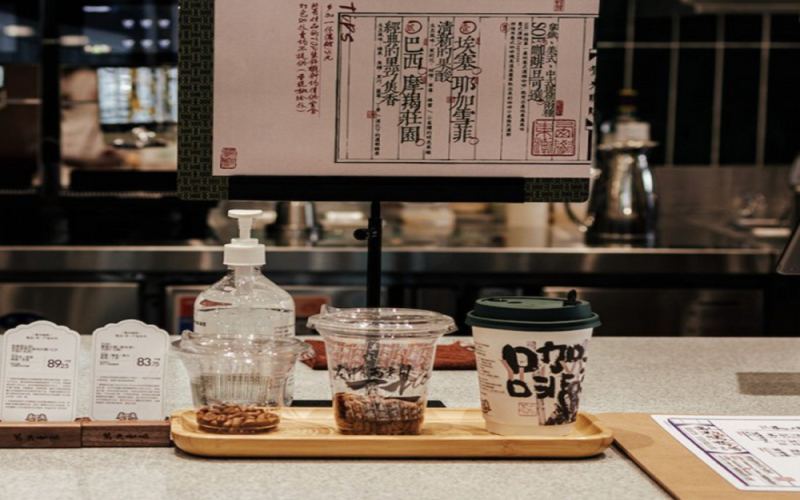
From Guochao Design to Local Flavors: How Chinese-Style Coffee Is Forging Its Own Path
In recent years, cafés featuring elements of traditional Chinese culture have been springing up one after another, and coffee, this imported product, is accelerating its path toward Sinicization. From new-style tea beverage brands跨界 opening coffee shops, to domestic local brands driving down prices to cultivate the market, to industry practitioners proposing that Chinese-style coffee should have its own mode of expression, this path is full of both opportunities and challenges. This article sorts out the evolution of coffee in China from the instant coffee era to the specialty coffee wave, and explores the current state and future of new Chinese-style coffee—innovation can attract the masses, but only professionalism, the cultivation of local bean varieties, and deep cultivation of the Yunnan production region can truly make Chinese-style coffee remembered by the world. At the end of the article, Front Street Coffee's communication channels are attached. [more…]
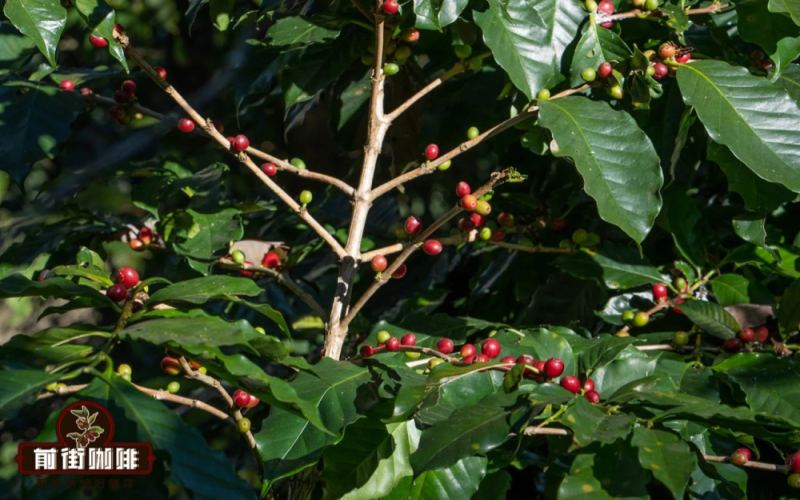
In-Depth Look at Yunnan's Coffee Regions: The Advantages, History, and Variety Evolution of Arabica Cultivation in China
Front Street Coffee has found that many people new to specialty coffee often start with Ethiopia's Yirgacheffe or Sidamo, and when it comes to Asian beans, their first thought is Indonesia's Mandheling. However, in recent years, with the rise of the local consumption wave, Yunnan coffee has gradually entered the public eye. Some people are skeptical about the quality of domestic products, but in fact Yunnan beans are already capable of rivaling mainstream producing regions. This article will systematically introduce the distribution pattern of China's coffee producing regions, the natural conditions for growing Arabica in Yunnan, the historical origins of the first coffee tree, and the lineage of variety transitions from Typica to Catimor, helping readers gain a comprehensive understanding of Yunnan coffee's past and present. [more…]
What Exactly Is Yunnan Small-Bean Coffee? A Full Breakdown of Variety Origins, Flavor Characteristics, and Brewing Key Points
Yunnan small-bean coffee has gradually come into the view of specialty coffee enthusiasts in recent years, but many people are still unfamiliar with its variety origins, cultivation history, and flavor characteristics. This article begins with the distribution of China's coffee-producing regions, reviews the historical controversy over Yunnan's first Arabica coffee tree, sorts out the origins and development of the two major varieties Typica and Catimor, and introduces the two beans, Typica and Catimor, grown by Front Street Coffee in Lincang and Baoshan, Yunnan. At the end of the article, the three-stage brewing parameters recommended by Front Street are also included to help you recreate the clean and balanced flavor expression of Yunnan coffee at home. [more…]
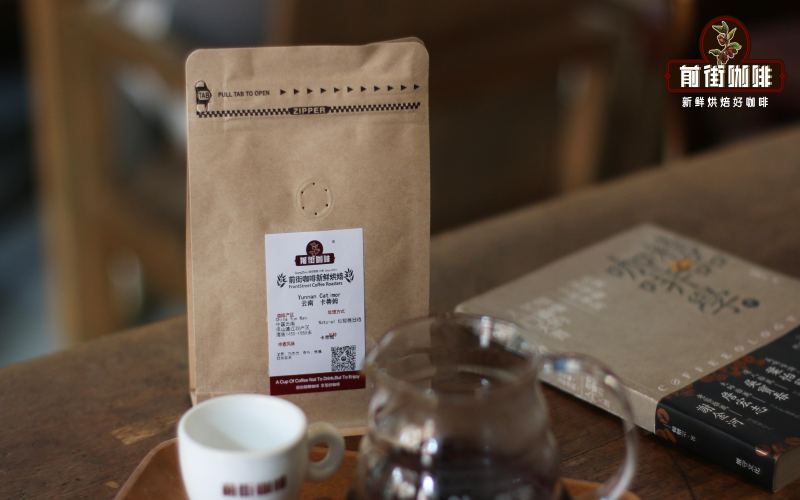
Yunnan Small-Bean Coffee: A Complete Guide to Flavors and Varieties: From Typica to Catimor, the Story of Its Origins
Yunnan coffee has emerged in the specialty scene in recent years, with more and more cafes adding Yunnan beans to their menus. Front Street Coffee's roasted bean lineup also includes several Yunnan options, including Baoshan small-bean everyday beans, 2013 Typica, and an exclusive natural-process Typica. Starting from flavor and mouthfeel, this article sorts out the washed and natural expressions of Yunnan small-bean coffee, traces the history of Typica's introduction and the real reasons why Catimor replaced Typica, and introduces Front Street's planting and processing experience at its own estate in Lincang. The article also includes the complete parameters for Front Street's hand-brewed Yunnan small-bean everyday beans at its stores, making it suitable for enthusiasts who want to gain a deeper understanding of Yunnan coffee varieties and flavors. [more…]
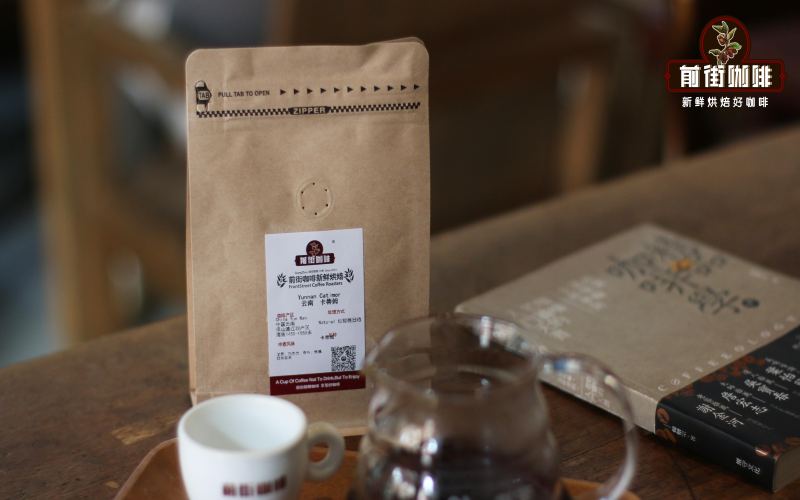
Yunnan Specialty Coffee Bean Varieties and Brand Analysis: Catimor, Typica, and Front Street Coffee Daily Staple Recommendations
Is Yunnan coffee specialty coffee? This question is best answered by tasting. This article sorts through the century-long history of Yunnan coffee from three dimensions: variety, terroir, and processing method—from the introduction of seeds by missionaries in 1904, to Nestlé promoting Catimor as the dominant variety, and then to the return of high-quality varieties such as Typica. Front Street Coffee's cultivation practices in Lincang, Yunnan, as well as the flavor performance under washed and natural processing, provide coffee enthusiasts with a complete cognitive path from commercial beans to specialty beans. The article also includes the specific brewing parameters and flavor descriptions of Front Street Yunnan small beans and the 2013 natural Typica, suitable for readers who want to gain a deeper understanding of the Yunnan production region or are looking for everyday staple beans. [more…]
A Comprehensive Analysis of Yunnan Coffee Bean Cultivation and Varieties: From Catimor to Typica, Front Street Teaches You to Savor the Brown Sugar, Nut, and Chocolate Flavors
Can Yunnan coffee truly be considered specialty? This question has puzzled many coffee enthusiasts. Front Street Coffee takes you through the history, varieties, terroir, and processing methods to gain an in-depth understanding of Yunnan coffee's century of transformation. From the first coffee tree planted by a French missionary in 1904, to Nestlé introducing the Catimor variety, to Front Street establishing its own estate in Lincang to select and cultivate Typica, Yunnan coffee is undergoing a transition from commercial beans to specialty. The article also provides a detailed analysis of how the two processing methods—washed and natural—affect flavor, and includes the brewing parameters and cupping flavors of Front Street's Yunnan small-bean everyday drinker beans and the 2013 natural Typica, giving you a comprehensive understanding of Yunnan coffee's brown sugar, nut, and chocolate notes. [more…]
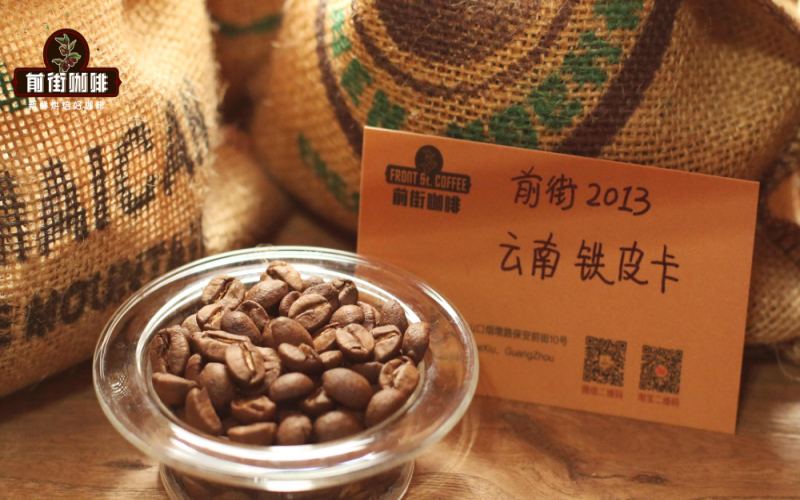
The Evolution of China's Coffee Industry and a Detailed Guide to the Grades, Flavors, and Pour-Over of Yunnan Coffee Beans
The rise of China's coffee industry is inseparable from the deep cultivation and transformation of the Yunnan producing region. From the first coffee tree in Zhugula Village a century ago to the current emergence of six major producing areas including Baoshan, Pu'er, and Lincang, Yunnan coffee has gradually moved from its positioning as a raw material for instant coffee toward specialty development. As a domestic specialty coffee brand, Front Street Coffee has not only established its own estate in Lincang and launched the exclusive sun-dried Typica "Front Street 2013," but also continuously offers multiple Yunnan arabica coffees on its daily menu. This article will systematically review the historical context, producing area distribution, and flavor characteristics of Yunnan coffee, and share Front Street's pour-over extraction parameters and three-stage pouring technique, bringing you a comprehensive understanding of the past, present, and future of Yunnan coffee. [more…]
Tracing the History of Coffee Cultivation in Yunnan and a Full Analysis of the Flavor Characteristics of Arabica Coffee
Yunnan, as China's largest coffee-producing region, has a cultivation history spanning over a century, with its output accounting for more than 98% of the national total. From 1902, when a French missionary planted the first coffee tree in Zhukula Village, Binchuan County, to today's thriving development of four major producing regions—Baoshan, Pu'er, Dehong, and Lincang—Yunnan arabica coffee has won recognition both domestically and internationally for its unique flavor profile: rich yet not bitter, aromatic yet not harsh. This article will guide you through the historical development of Yunnan coffee, explore the characteristic differences between the two major varieties Typica and Catimor, and provide an in-depth analysis of the flavor characteristics of Baoshan arabica coffee. Front Street Coffee has selected two everyday beans—Baoshan Catimor and Lincang Typica from Yunnan—allowing entry-level enthusiasts to experience the nutty sweetness and black tea aftertaste of Yunnan coffee at an accessible price, along with practical brewing suggestions to help you easily brew a delicious cup of Yunnan coffee. [more…]
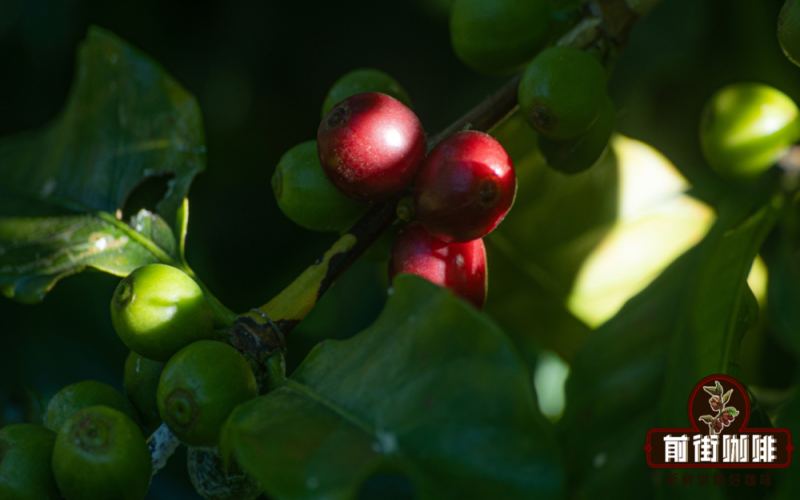
An Analysis of the Quality Advantages of Yunnan Coffee Beans: From Regional Terroir to Front Street Coffee's Specialty Path of Washed and Natural Processing
Yunnan coffee has gradually transformed from the old stereotype of "poor quality, low price" into a common option in specialty coffee shops. This article traces the century-long cultivation history of Yunnan coffee, its commercial transformation, and the current distribution of major producing regions, with a focus on analyzing the terroir advantages of places like Baoshan and Lincang. It also introduces two representative products: Front Street Coffee Washed Baoshan Small Cherry and Front Street Coffee 2013 Sun-Dried Typica. At the same time, it shares medium-roast approaches for Yunnan coffee, cupping flavor profiles, and three-pour brewing parameters suggested for its balanced character, helping coffee enthusiasts gain a more comprehensive understanding of the true quality and complexity of Yunnan coffee. [more…]
Yunnan Small-Bean Coffee Flavor Profile and Full Analysis of Its Origins and Varieties: How Good Is the Quality of Arabica Beans, Really?
As the main force of China's domestic coffee industry, Yunnan small-bean coffee has attracted increasing attention from coffee lovers in recent years. From 1892, when a French missionary planted the first coffee tree in Zhukula Village, to today, when its planting area accounts for more than 70% of the country's total, Yunnan coffee has traveled a long and unique road. This article will systematically review the cultivation history, main producing areas, variety composition, growth cycle, and flavor performance of Yunnan small-bean coffee, and, combined with cup quality analysis, explore the true quality level of Yunnan Arabica coffee beans. Whether you are a beginner just starting out or a seasoned enthusiast, you can gain a more comprehensive understanding of Yunnan coffee from it. [more…]
Starbucks Yunnan Reserve Coffee Bean Origin Traceability and Full Analysis of Catimor and Typica Variety Flavors
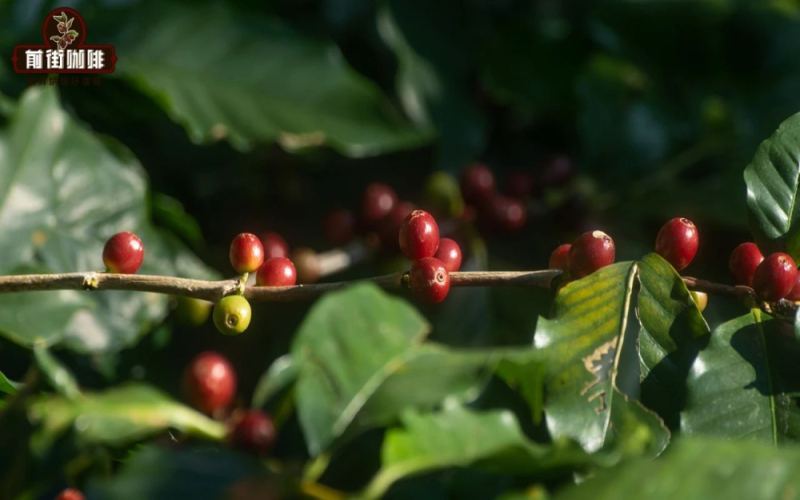
Yunnan coffee has been gaining increasing attention in the specialty market in recent years. Starbucks has continuously released Yunnan single-origin Reserve beans since 2017, as evidenced by the latest two products: the Puer Baoshan Blend and the Qingkai Farm. Front Street Coffee also owns an exclusive Arabica plantation in Baoshan. This article will start with the flavor characteristics of Starbucks' two Yunnan Reserve beans, systematically reviewing Yunnan coffee's origin advantages, the features of its four major producing regions, a century of cultivation history, the main cultivated varieties (Typica, Bourbon, Catimor), and processing methods. It will also include information on two single-origin beans produced by Front Street Coffee's Yunnan coffee estate, helping coffee enthusiasts fully understand the potential and charm of Yunnan coffee. [more…]
What are the representative varieties of Yunnan small-bean coffee? A full analysis of the flavor differences between Catimor and Typica
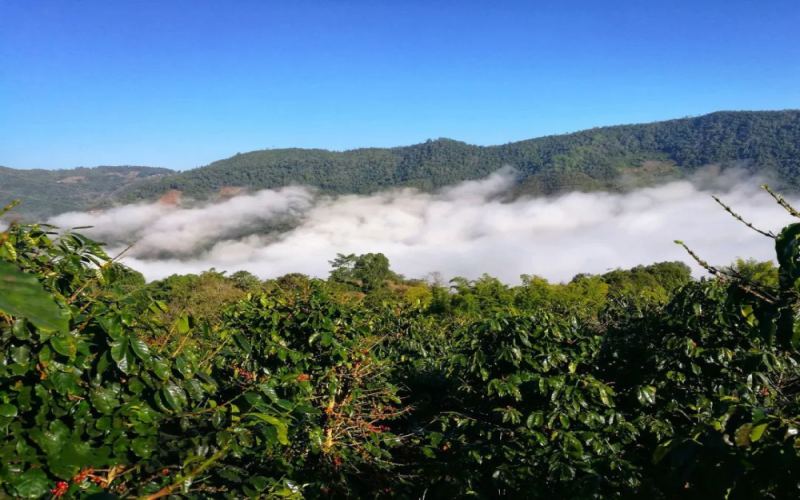
Yunnan coffee has frequently appeared in the specialty coffee market in recent years, and although its development history is short, it contains enormous potential. Front Street Coffee owns a dedicated plantation at the border between Yunnan and Myanmar. This article will systematically review the full picture of Yunnan coffee, from growing conditions, the four major production regions, and variety characteristics to processing methods and brewing suggestions. Yunnan arabica is mainly cultivated with Catimor, while a small amount of Typica and Bourbon is still retained in the Baoshan region. What flavor characteristics does the Catimor variety actually present? What makes Typica unique? Front Street Coffee's two Yunnan beans—2013 Typica and Yunnan arabica—show flavor directions of citrus and nuts, and herbs and chocolate, respectively, and this article will unfold them one by one. [more…]